
A clinician is on the stand, having to read and defend their clinical notes.
Now imagine that the clinician didn't provide the details that are now being so heavily scrutinized in the courtroom... AI did.
An "ambient listening" AI scribe did that first pass at interpreting what was said during the visit. AI parsed through the text transcript and identified patterns and drafted the clinical note.
The clinician maybe (hopefully) reviewed the note. The clinician maybe (hopefully) added their own input, added their own observations... having been the only other human in the room. The clinician maybe (hopefully) corrected what the AI got wrong and added what the AI missed altogether.
But in the court room, AI is not on the stand.
The human clinician is.
It is their clinical notes. And so they are responsible for all of the details contained within those notes, now being picked apart in court. It is the human clinician's clinical observations and judgements... even if technically AI was the original source.
Quill is designed to rely on the clinician for these important details. The AI rearranges those details into the appropriate note format, but it is never present in the therapy session. It has no recording of the session, no transcript of the session's conversation between therapist and client. The therapist provides any and all details that they choose to include in their note, not the AI.
Clinical progress notes that contain the details that accurately represent the therapist's observations from a session (not the AI's) is so critical, for so many reasons. On any given day, these notes will probably not be audited by an insurance company. On any given day, these notes will probably not be read aloud in a court room. But what if they are? Can the therapist confidently stand behind every single detail that is mentioned?
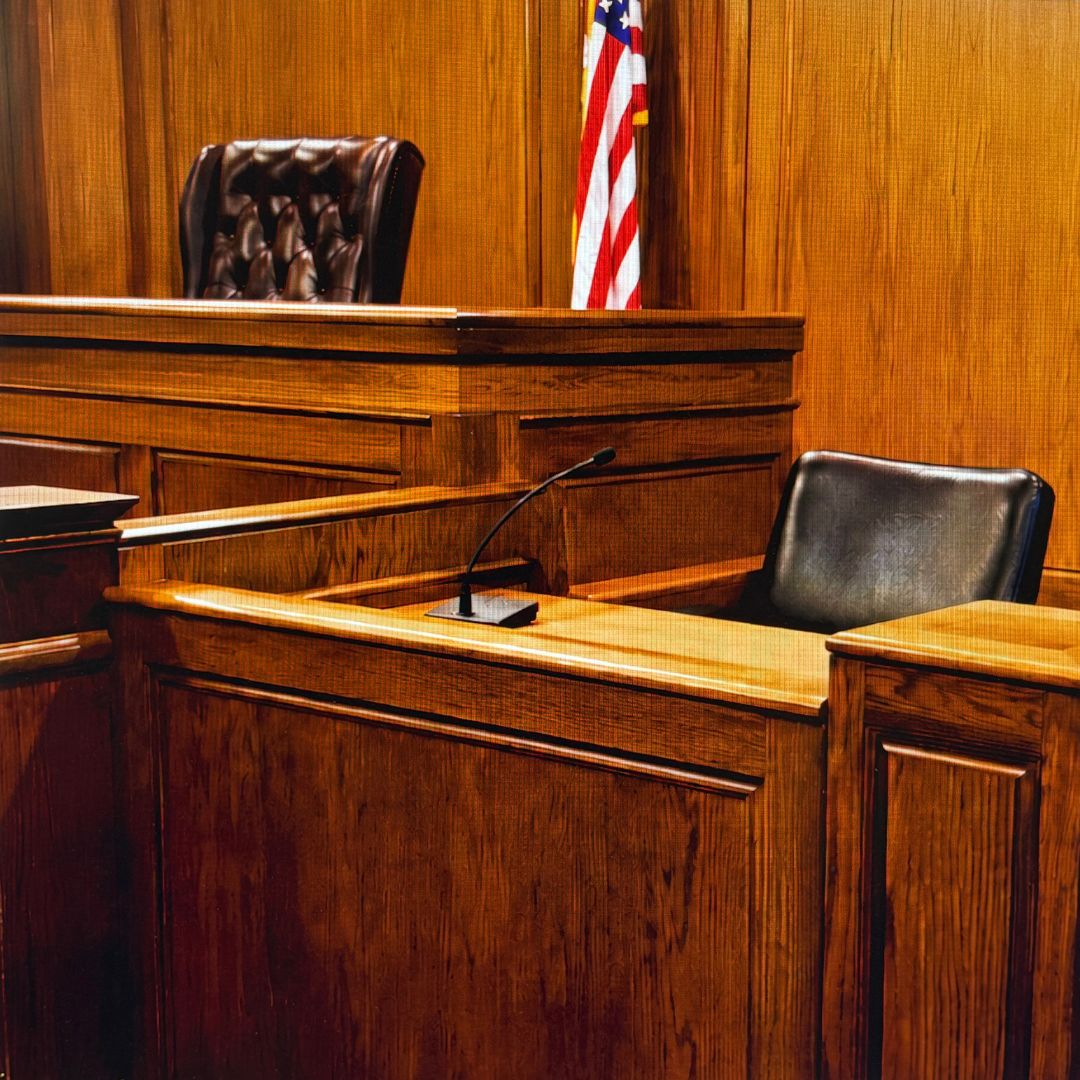
This particular issue is very relevant today in the news, as the Lindsay Clancy murder trial continues. The psychiatrist Jennifer Tufts took the stand and had to defend her notes, word for word, literally debating the positioning of a comma and the lack of the word "not". Given the timing (January 2023), these notes were surely not written by AI, to be clear, but the point is the same -- once written down, notes may have to be defended one day. Maybe tomorrow, maybe 3 and a half years later. And if the clinician did not provide those documented details, are they accurate? Can they confidently defend them?